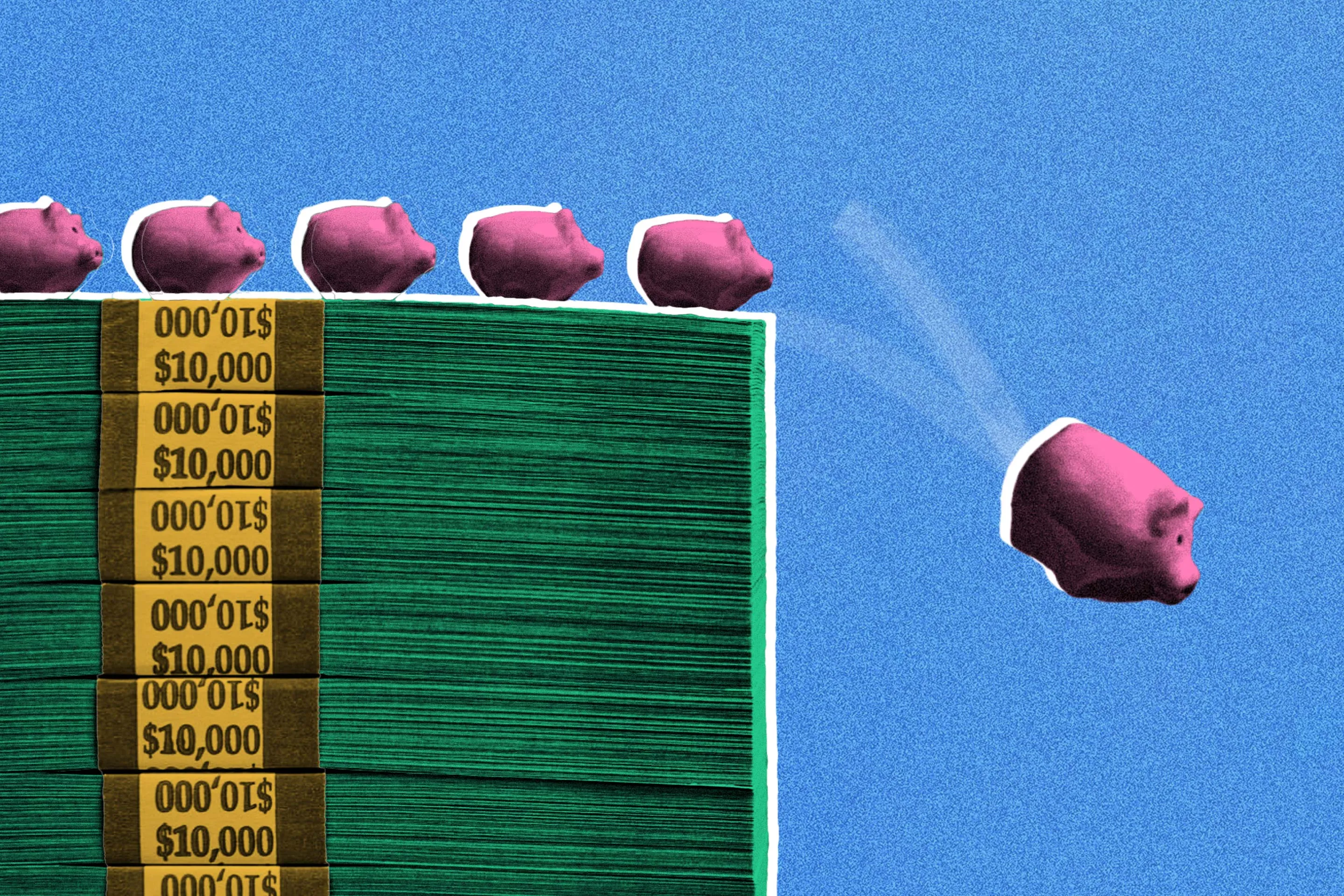
Understanding the Risks of Recession 2026 in Canada
As Canadians look to the future, one pressing question on many minds is whether the country will experience a recession in 2026. With economic cycles being a natural part of any nation's financial landscape, understanding the potential for a recession and its implications is crucial for individuals, businesses, and policymakers alike. The concept of a recession, characterized by a significant decline in economic activity over a prolonged period, poses challenges but also opportunities for strategic planning and investment. In this context, exploring the possibilities and preparations for a recession in 2026 can provide valuable insights into navigating Canada's economic future.
Economic Cycles and Predictions
The anticipation of a recession often sparks debate among economists and financial analysts, with some predicting a downturn due to various economic indicators and others suggesting a rotation or stabilization of the market. The prediction of a US recession by the end of 2026, for instance, can have implications for Canada's economy due to the close trade relationship between the two countries. Understanding these predictions and their underlying factors is essential for making informed decisions. 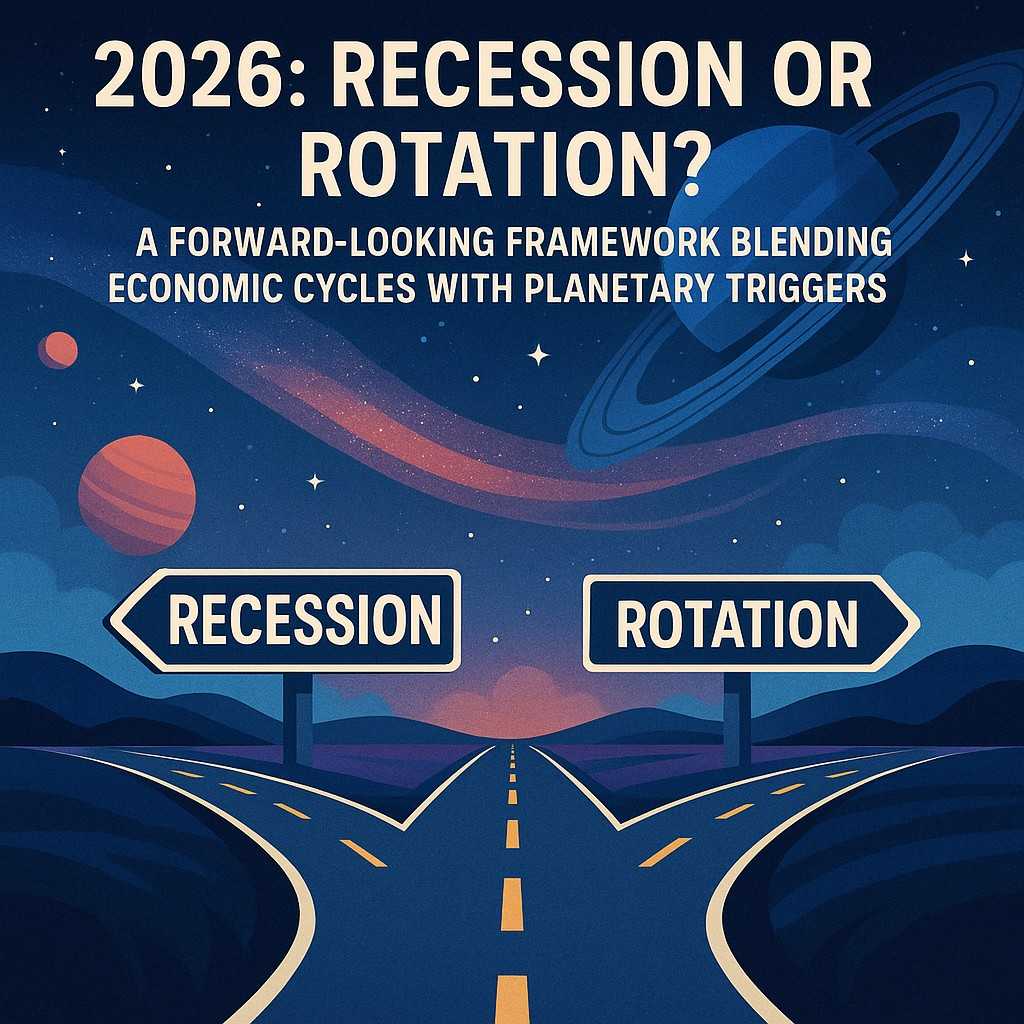
Implications for Canadian Economy and Consumers
A potential recession in 2026 could have far-reaching implications for the Canadian economy, affecting employment rates, consumer spending, and business investments. For value-focused buyers, understanding these implications can help in making strategic financial decisions, such as saving, investing, or reallocating resources. The impact on different sectors of the economy would vary, with some potentially experiencing more significant challenges than others. Consumers and businesses alike would need to adapt to changing economic conditions, possibly by reducing expenses, diversifying investments, or seeking new opportunities for growth.
Preparations and Strategies
Given the uncertainty surrounding the possibility of a recession in 2026, preparing for different scenarios can be beneficial. For individuals, this might involve building an emergency fund, reducing debt, and diversifying investments. Businesses could focus on streamlining operations, innovating products or services, and exploring new markets. Policymakers, on the other hand, might consider implementing fiscal policies to stimulate the economy or regulate sectors to mitigate the risks of a recession. The key to navigating such economic challenges is to remain informed and adaptable, leveraging available data and expert insights to guide decision-making.
Staying Informed and Adaptable
As the economy evolves, staying updated on the latest trends, predictions, and analyses is crucial. Platforms that offer predictions and odds on economic events, such as the possibility of a US recession by the end of 2026, can provide valuable information for those looking to understand the complexities of economic forecasting.
Conclusion and Future Outlook
In conclusion, the possibility of a recession in 2026 presents both challenges and opportunities for Canada. By understanding the underlying factors that contribute to economic cycles and the potential implications of a recession, individuals and businesses can better prepare for the future. Whether through strategic financial planning, diversification of investments, or innovation in response to changing market conditions, being proactive and informed can help mitigate risks and capitalize on opportunities. As the economic landscape continues to evolve, adopting a forward-thinking approach will be essential for navigating the complexities of recession 2026 and beyond.
Ithy - Assessing The Probability Of A Recession In 2026
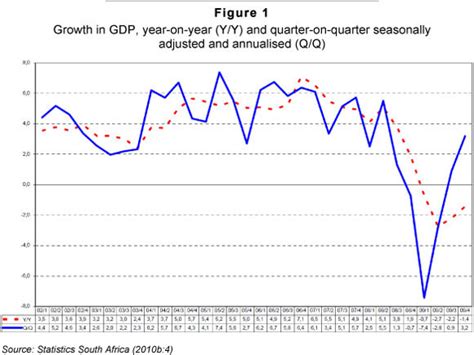
Ithy - Assessing the Probability of a Recession in 2026
Will We Have A Recession In 2026? Most Economists Say No | Money
Will We Have a Recession in 2026? Most Economists Say No | Money
GitHub - Jisooyu/recession-model-2026
GitHub - jisooyu/recession-model-2026